By Dela Ahiawor
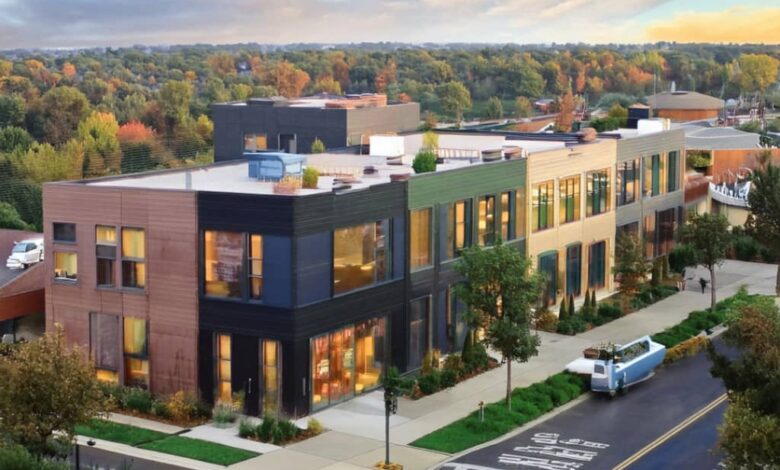
In fast growing cities across the globe, including West Africa, transforming existing city buildings into mixed-use buildings (asset repurposing) is a rising trend.
Fact is, repurposing or repositioning existing real estate (city buildings) is crucial for sustainable development; as it ensures economic growth, environmental sustainability and social well-being.
In West Africa, cities like: Accra, Lagos, Abidjan and Dakar are experiencing a rapid rise in urban assets (buildings); caused by a 3.5% annual increase in city dwellers, which is likely to increase from 81 million in 2000 to 278 million by 2030.
With the expected increase in urban population, repurposing urban assets: Office towers, retail centres, residential apartments and historic buildings into mixed-use urban assets is paramount, towards achieving a sustainable future.
Indeed, the mixed-use building trend is driving global construction, aiming to reduce urban sprawl, achieve strategic land-use planing and slashing construction outlays by up to 30%. It also addresses the housing crisis by providing sustainable alternatives to traditional buildings. They also raise the value and appeal of urban assets.
Real estate investment platform, AfricaWorks Investment Partners (AWIP),
specializing in the acquisition, repositioning and operation of mixed-use urban assets in West Africa, has rollout its urban real estate investment platform.
And they’re targeting high-potential urban assets located in the main economic hubs of West Africa, with the goal of repositioning them into mixed-use buildings combining offices, co-living, hospitality and services, operated directly by AfricaWorks.
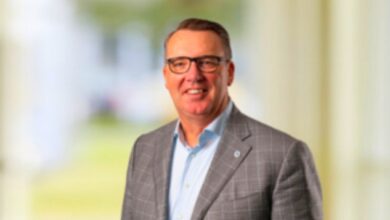
Grégoire Schwebig, Founder and CEO of AfricaWorks Investment Partners said: “From the outset, AfricaWorks was built as an operational platform, close to the needs and realities of the companies we support every day. We invest only in assets that we know how to operate, improve and upgrade over time, through a disciplined approach rooted in the realities of African markets.”
The Platform, ensures alignment between investment strategy, operations and long-term value creation.
AfricaWorks is now present in seven cities across six African countries, with more than 25,000 sqm of operated space and a base of over 1,000 clients, primarily international and regional companies. This operational backbone lies at the heart of the AWIP model, reducing execution risk and securing asset performance throughout the entire lifecycle, in markets characterized by rapid urbanization and growing demand for flexible, well-operated spaces.
The first vehicle, AWIP I, was closed in summer 2025 in less than three months, raising €4 million from leading private investors. The capital has been fully deployed into the acquisition of two off-market assets in Dakar and Lagos, validating the relevance of the strategy, the governance framework in place and return assumptions aligned with international standards. Building on this initial success, AfricaWorks Investment Partners is preparing the launch of AWIP II, targeting €10 million in equity and a closing planned for Q2 2026.
AWIP II will focus on acquiring and developing four to five real estate assets, primarily in Abidjan and Dakar-targeting assets of around 5,000 sqm while maintaining a selective approach to other high-potential markets, with the ambition of building a coherent portfolio of benchmark urban assets in West Africa.
Considering the crowded urban sprawl in West African cities, mixed-use buildings has the potential to modernize and improve declining residential, commercial and recreational spaces, also enhancing the quality of life. They also stimulate the local economy by providing livelihood opportunities.
On the sustainability side of things, mixed-use buildings inculcate sustainability measures in their building designs to improve environmental sustainability in the bid to address the adverse impacts of climate change.
www.delreport.com